
You just mounted a new scope. You head to the range, fire your first shot at 100 yards, and… nothing. No hole in the paper. No idea whether you missed high, low, left or right. That’s what happens when you skip bore sighting. Ten minutes at the bench saves you a full box of ammo and half the range trip.
Bore Sighting In One Line
Bore sighting is the process of aligning your scope with the actual line of the rifle’s bore — so your first live shot lands somewhere on the target instead of two feet off the paper.
These are two different things and lots of shooters mix them up.
Bore sight first, zero second. Skip step one and step two takes forever.
The idea is dead simple: with the rifle solidly rested, you sight down the bore itself at a fixed object 25–100 yards away, then move the scope’s crosshairs onto that same object without moving the rifle. Three tools do the job:
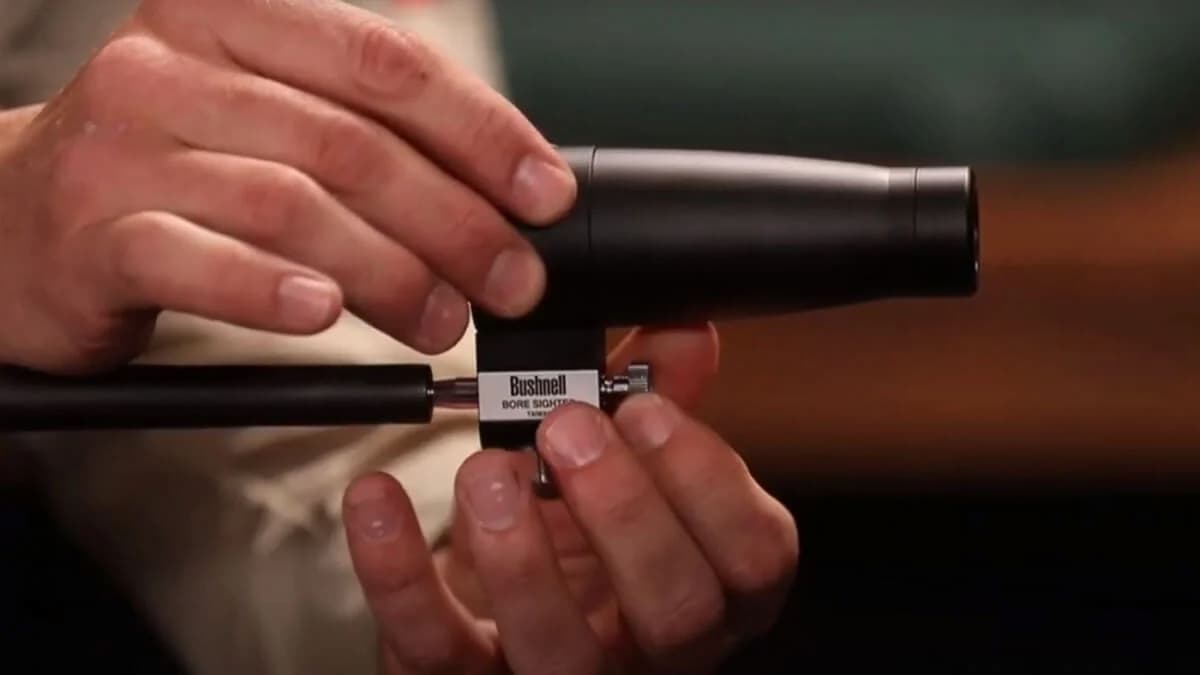

The most popular home option. A cartridge-shaped unit chambers like a round and projects a laser dot 25 yards downrange. Center your scope on the dot — you’re on paper. Wheeler and SiteLite make good ones.

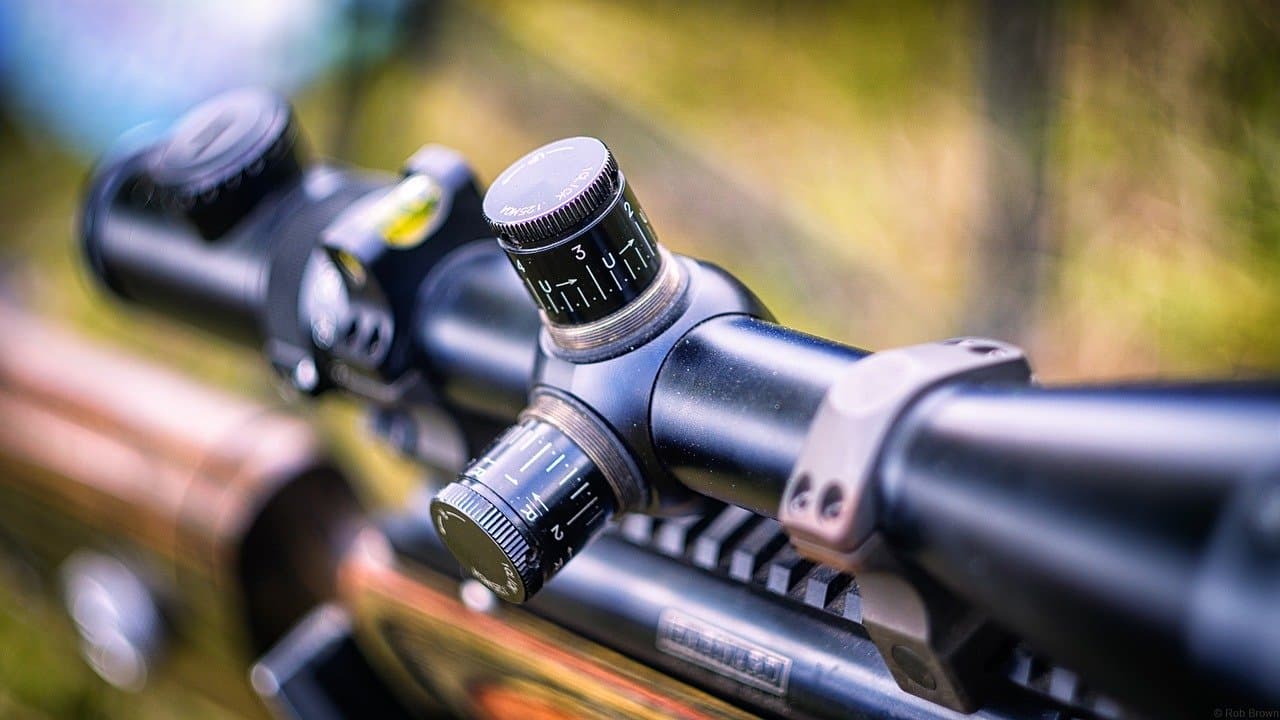
Once you’re on paper: shoot a 3-shot group at 100 yards, measure the center of the group to the center of the bull, adjust your turrets that many clicks (in the correct direction), and shoot another 3-shot group to confirm. Two or three iterations and you have a real zero.
For hunting rifles a 100-yard zero is the standard. For AR-15s the classic “50/200” zero (impact at 50 yards, back to zero around 200) is a great all-purpose choice.
Our gunsmiths mount, level, torque and bore sight scopes every week, for a nominal fee. That gets you on paper — the zero itself is yours to finish at the range with the load you’ll actually hunt. See our gunsmithing services.

Riflescopes
The full range
Rings & Mounts
Quality steel & alloy
Ammunition
Zero with the load you’ll hunt
Bolt-Action Rifles
Hunting-ready
Related: Firearm Optics Basic Guide • Multiple Optics on One Firearm