
How Suppressors Work – and What “Hearing Safe” Really Means
A suppressor doesn't make a rifle silent - it cuts muzzle blast by roughly 30 dB. Here's what's actually happening inside the tube, how much quieter it really gets, and what Colorado hunters should know.

On this page
A suppressor doesn’t make a gun silent. It cuts the muzzle blast — a big reduction in how much sound energy reaches your ears, not an elimination of it. Here’s what’s actually happening inside the tube, in plain English, and what to expect the first time you press the trigger with one on your rifle.
~30 dB
Typical Reduction
140 dB
Hearing-Damage Threshold
165 dB
Unsuppressed .308
135 dB
Suppressed .308
01What’s Actually Making the Noise
When you fire a centerfire cartridge, three separate things make sound:
The Three Sound Sources
- Muzzle blast — high-pressure gas exiting the barrel behind the bullet. This is the loud one. This is what a suppressor addresses.
- Sonic crack — the bullet itself breaking the sound barrier as it flies downrange. Nothing on the muzzle can silence this. Only subsonic ammunition avoids it.
- Mechanical noise — the action cycling, brass ejecting, hammer falling. Quiet compared to the other two, but audible on a suppressed .22.
A suppressor addresses source #1 — the muzzle blast — by giving that hot, high-pressure gas somewhere to expand and cool before it hits atmospheric air. Slower expansion = less pressure wave = less noise.
02How the Tube Actually Works
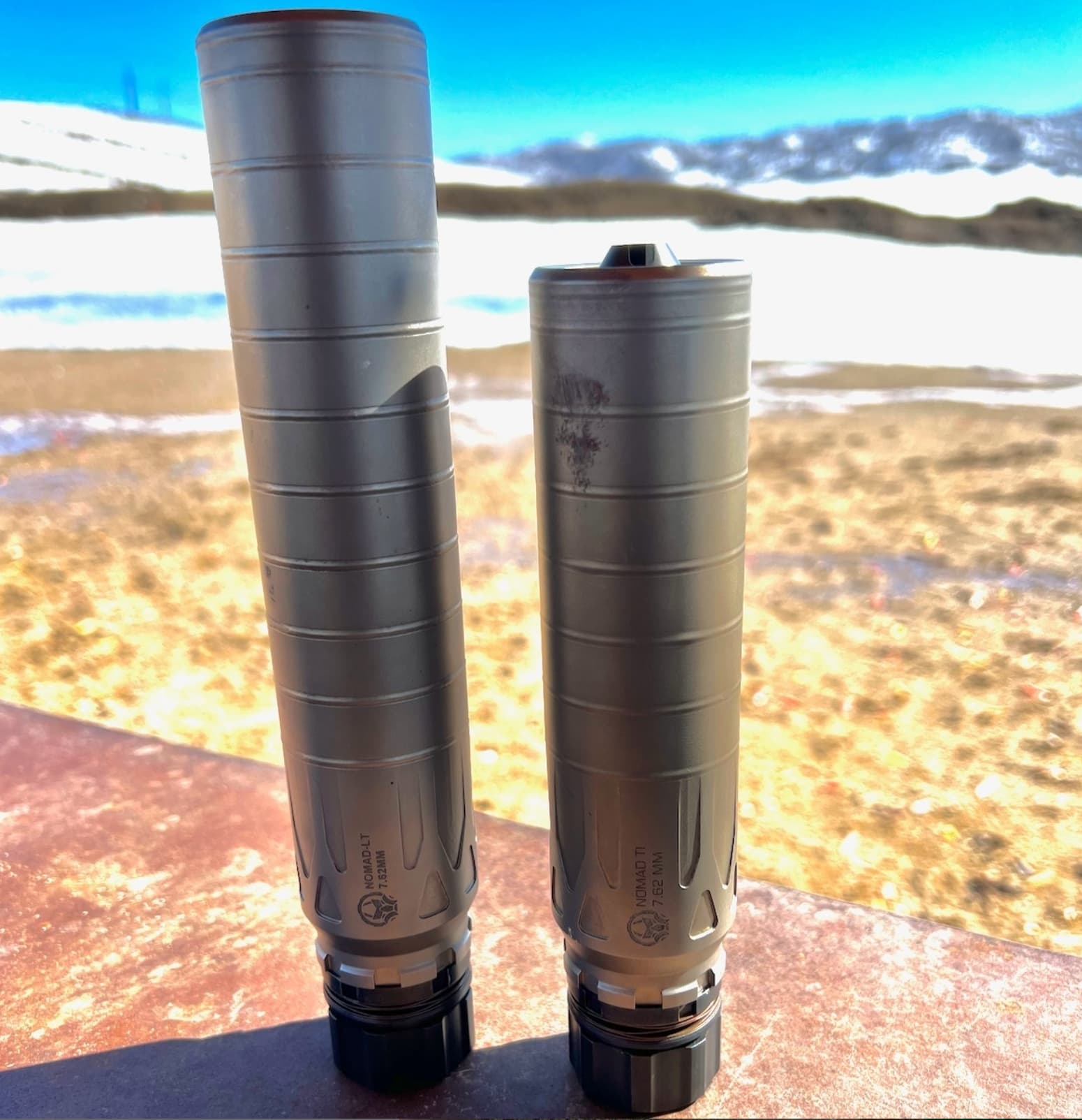
Look inside a modern rifle suppressor and you’ll find a stack of angled cones or blades called baffles, separated by expansion chambers. The bullet passes cleanly through the center hole. The propellant gas, chasing behind the bullet, hits each baffle and gets forced through a longer, more turbulent path — expanding, swirling, and shedding energy at every stage.
The Physics in One Sentence
By the time that gas finally reaches the front cap, it’s cooled, spread out, and much lower pressure. Instead of a sharp crack, you get a muffled “thump” — the same total energy, spread across enough milliseconds that your ears register far less of it.
Same principle a car muffler uses on exhaust gas. Bigger and stronger, because the pressures are much higher.
03How Much Quieter?
The number that gets thrown around is ~30 decibels of reduction for a rifle can — and it’s a good rule of thumb. But decibels are a logarithmic scale, so 30 dB isn’t “30% quieter” — it’s dropping the sound intensity to roughly one-thousandth of what it was.
That’s why the industry phrase is “hearing-safe” rather than “silent” — and why we’d rather you read the numbers than the phrase. A suppressed .308 is still louder than a jackhammer, and depending on the can, the host and the load it can still land at or above that 140 dB line. A suppressor is a large reduction in your exposure. It is not a replacement for ear protection.
— Elk River Guns
04Why Hunters Are Adopting Them
For decades suppressors were mostly a competition and defensive-industry thing. That changed. Talk to any Colorado outfitter who’s been in business a while and you’ll hear the same list:
- Hearing preservation. Hunters routinely end up firing with their ears off, and one shot at a bull elk can cost you the top end of your hearing forever. A suppressor cuts that exposure dramatically. Muffs or plugs still beat no protection at all.
- Follow-up shots. Elk don’t always drop on the first shot. A second shot from an unsuppressed rifle is disorienting, particularly in the field. Suppressed, you can spot your own impact and get right back on the animal.
- Less game disturbance. A suppressed rifle throws sound in a very different direction and profile than an unsuppressed one. Animals don’t always locate the shooter or bolt as far.
- Recoil reduction. Bonus benefit — the same gas expansion that cuts noise also cuts felt recoil by 20–30% on most rifles.
- Neighbor relations. Ranch cull shooting, predator control, backyard varmints — a suppressed rifle is dramatically better for you and the folks around you.
05Common Myths, Fast
06Ready to Own One?
Ownership is simpler in 2026 than at any point in the last 30 years — the federal tax stamp dropped to $0 on January 1. Our shop is a Silencer Shop kiosk dealer. Come see what’s on the shelf and we’ll walk you through what the process looks like today.
Buying Guide
The full process
Shop Suppressors
Full lineup
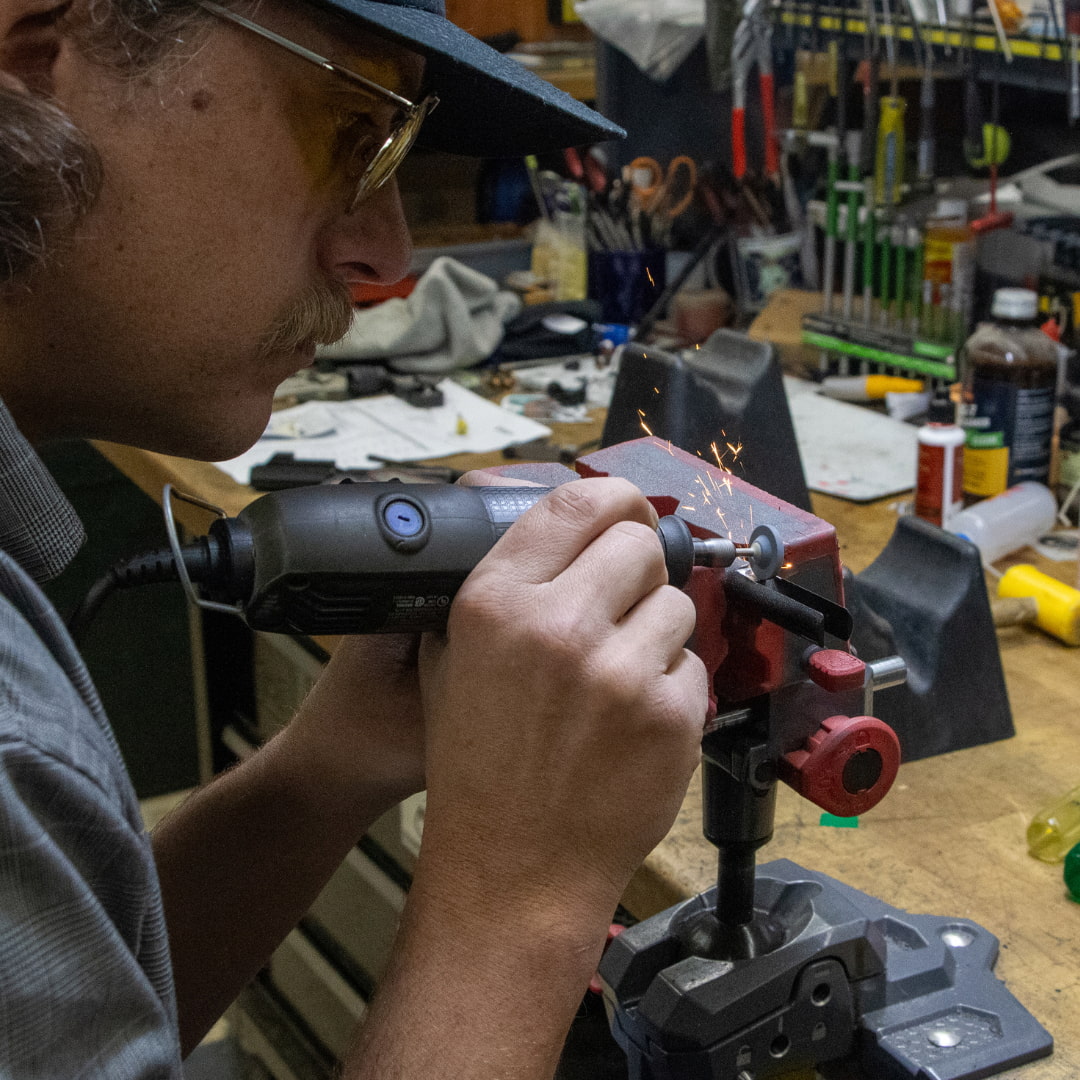
Barrel Threading
In-house gunsmithing
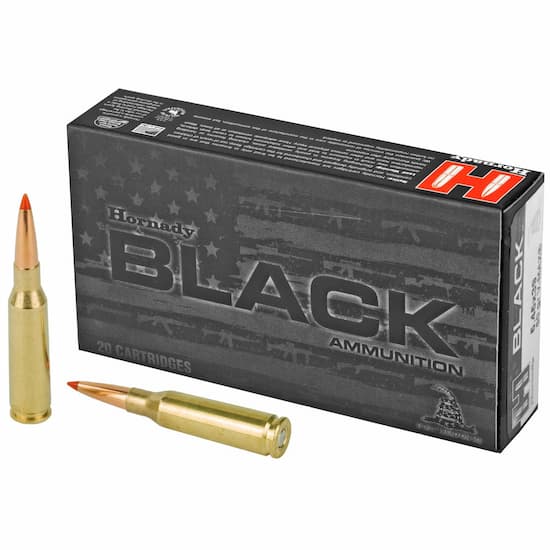
Subsonic Ammo
Get the full benefit
Related: Navigating the Silence — How to Buy a Suppressor • 2026 Colorado Big Game Guide
Decibel figures are approximate averages from industry sources including the American Suppressor Association and Silencer Central. Specific reduction varies by suppressor model, host firearm, ammunition, and measurement method. Nothing here is legal advice.
 Buying a Suppressor in 2026: $0 Tax, Approval in Days, and How It Works at Our Counter
Oct 5, 2026
Buying a Suppressor in 2026: $0 Tax, Approval in Days, and How It Works at Our Counter
Oct 5, 2026
 We’re Sponsoring the 2026 Colorado State PCSL Rifle Championship
Sep 30, 2026
We’re Sponsoring the 2026 Colorado State PCSL Rifle Championship
Sep 30, 2026
 How Silencers Make Shooting Safer and Easier
Aug 15, 2026
How Silencers Make Shooting Safer and Easier
Aug 15, 2026